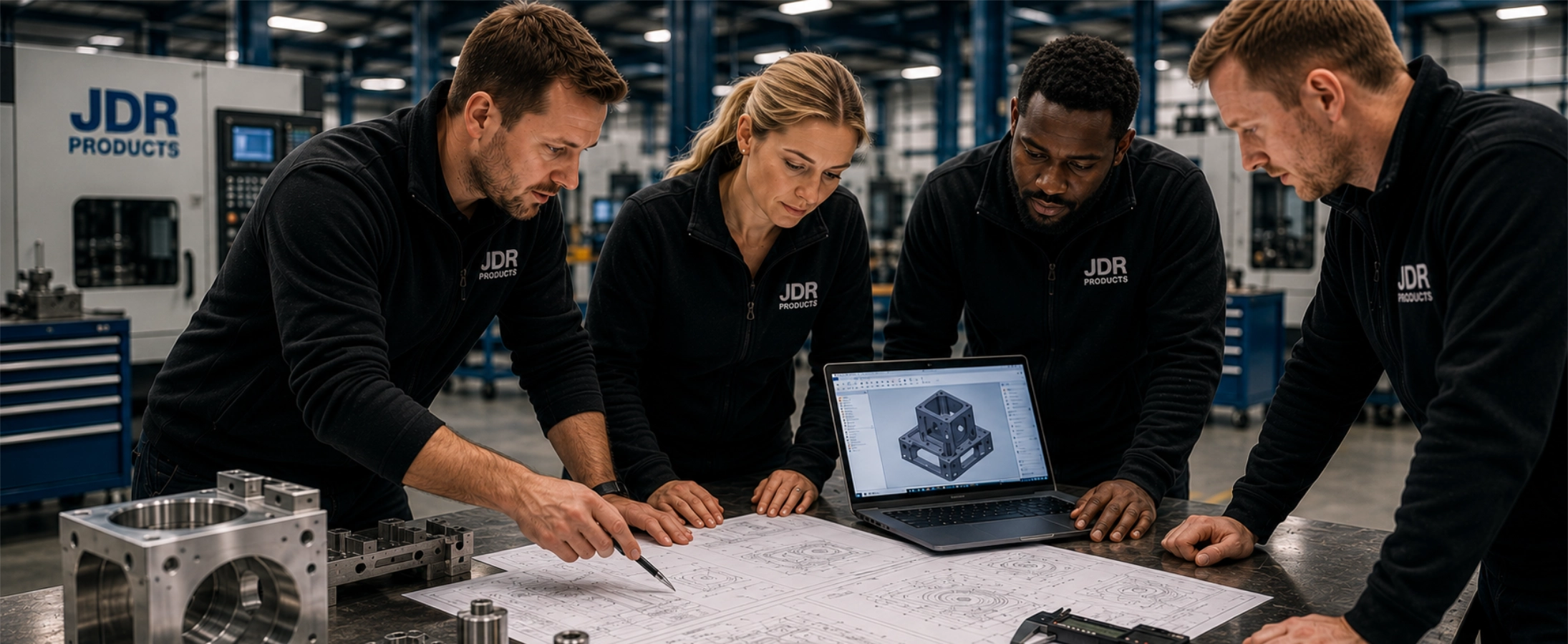
WHEN PEOPLE THINK ABOUT MANUFACTURING, THEY OFTEN IMAGINE MACHINES RUNNING, MATERIALS BEING TRANSFORMED AND FINISHED COMPONENTS READY FOR DELIVERY. HOWEVER, SUCCESSFUL MANUFACTURING STARTS LONG BEFORE PRODUCTION BEGINS.
Behind every high-quality component is a process of planning, problem-solving and preparation. The decisions made at the early stages of a project can influence everything from performance and durability to production efficiency and overall cost.
By identifying challenges before manufacturing starts, businesses can create better products, reduce delays and ensure a smoother journey from concept to complete. So, what really happens before production begins?
Step 1: Understanding the Product Requirements
Every successful manufacturing project begins with understanding the challenge behind the product. Before materials are selected or production methods are chosen, it’s important to understand exactly what the component needs to achieve.
This includes reviewing:
- Product function and intended application
- Material requirements
- Production volumes
- Quality standards
- Projects timescales
Building a clear understanding from the beginning ensures every decision supports the final product and its intended use.
Step 2: Reviewing Designs and Technical Drawings
A great design needs to work beyond the drawing stage – it needs to perform in the real world. Before a production begins, engineering teams review designs and technical drawings to ensure components can be manufactured efficiently while meeting the required specifications.
This stage can highlight opportunities to:
- Simplify manufacturing processes
- Improve product strength or performance
- Reducing unnecessary complexity
- Select more suitable materials
- Improve production efficiency
Identifying these opportunities early helps avoid costly changes later in the process.
Step 3: Selecting the Right Materials and Manufacturing Methods
The right material choice can make a significant difference to the success of a product. Factors such as strength, weight, durability and operating environment all need to be considered before production starts.
Choosing the most suitable manufacturing method is just as important. The right process ensures the finished component is reliable, efficient to produce and built for its intended application.
Step 4: Prototyping and Testing Solutions
For new designs or bespoke manufacturing projects, prototyping ideas before full-scale production can provide valuable insights. Creating prototypes allows teams to evaluate the design, identify improvements and refine the product before committing to larger production quantities.
This stage helps reduce risk and ensures the final solution is ready for manufacturing.
Step 5: Planning for Production
Once the design, materials and manufacturing methods are confirmed, preparation moves into production planning.
This includes organising:
- Equipment requirements
- Material availability
- Manufacturing processes
- Quality checks
- Production schedules
A carefully planned approach improves consistency, reduces delays and helps ensure every component meets the required standards.
Better Preparation Creates Better Products
Manufacturing isn’t just about creating a finished product. It about understanding the problem, developing the right solution and ensuring every detail is considered before production begins. The strongest products are not simply made – they are carefully planned.
At JDR Products, we work closely with customers throughout every stage of the manufacturing journey. From initial concept and design reviews through to precision manufacturing and final delivery, our experienced team provides support built around your requirements.
Looking to develop a new product or improve an existing design? Speak to the JDR team today and discover how the right manufacturing partner can bring your project to life.