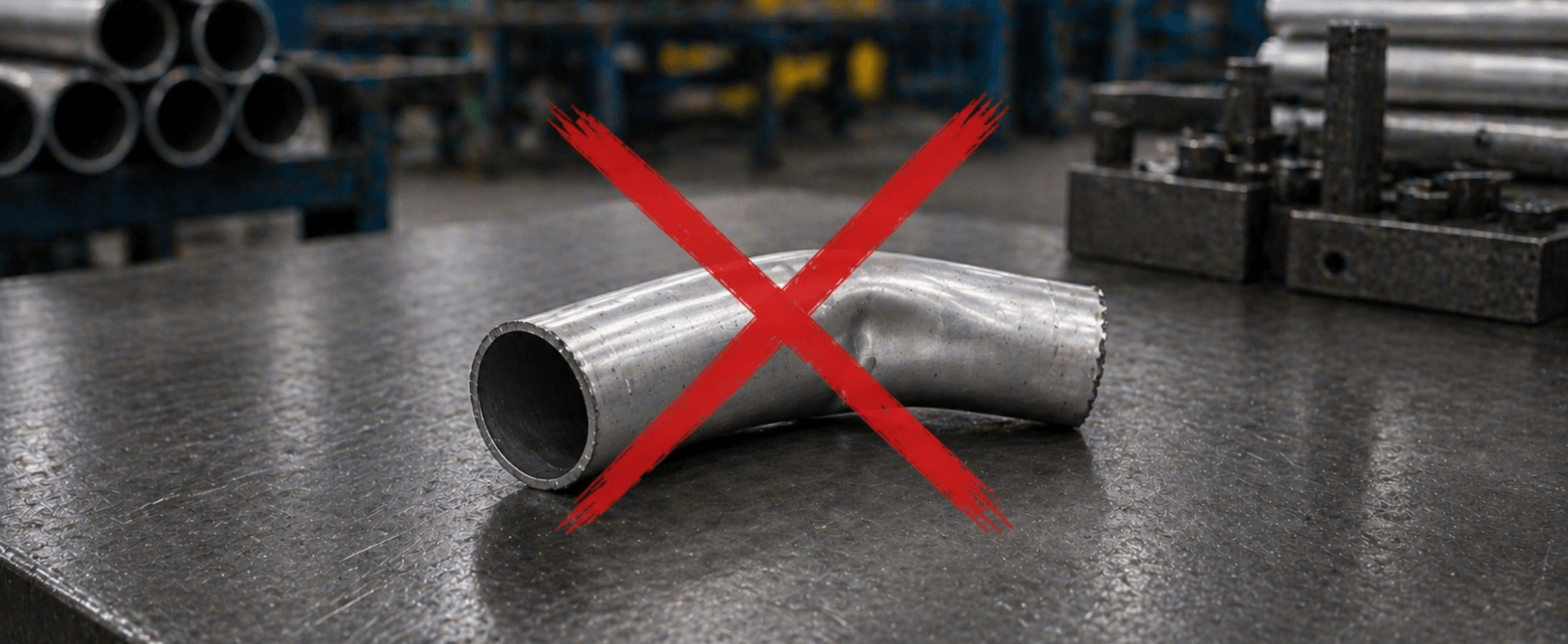
ALUMINIUM FABRICATION PROJECTS RARELY FAIL DUE TO A SINGLE ISSUE...
More often, challenges arise from early-stage decisions that don’t fully account for manufacturing realities – leading to increased costs, extended lead times and avoidable rework.
Despite aluminium’s advantages – high strength to weight ratio, corrosion resistance and versatility – successful outcomes depend on how well design, material selection and fabrication processes are aligned from the outset.
At JDR Products, most of the issues encountered during production can be traced back to decisions made early in the design phase. With the right technical input at this stage, these risks can be significantly reduced – or eliminated entirely.
1) Ignoring Design for Manufacture (DFM)
The issue:
Designs are often created to developed around functional requirements, but without sufficient consideration of how components will be manufactured.
Technical impact:
- Increased machining time due to complex geometrics
- Additional setups and tool changes
- Higher production costs and extended lead times
In many cases, overly tight tolerances or unnecessary features add complexity without improving performance.
How to avoid it:
Applying DFM principles early allows design to be optimised for production. Small adjustments such as simplifying features or aligning with standard tooling can deliver significant efficiency gains.
Where JDR adds value:
By working collaboratively at the design stage, JDR helps identify opportunities to reduce machining complexity while maintaining functional integrity, ensuring designs are practical as well as technically sound.
2) Choosing the Wrong Aluminium Grade
The issue:
Aluminium alloys differ widely in strength, machinability, weldability and corrosion resistance. Selecting a grade based on limited criteria lead to later challenges.
Technical impact:
- Reduced machinability leading to longer cycle times
- Difficulty in forming or welding
- Inadequate performance in service environments
These issues are often only identified once production has begun – when changes are more costly.
How to avoid it:
Material selection should consider the full lifecycle of the component including:
- Mechanical and structural requirements
- Environmental conditions
- Fabrication processes
Where JDR adds value:
With extensive cross-sector experience, JDR supports customers in selecting aluminium grades that balance performance with manufacturability, reducing risk and improving overall project efficiency.
3) Misapplication of Tolerances and Fit-Up Requirements
The issue:
Tolerances are frequently specified without fully considering their functional necessity or manufacturing implications.
Technical impact:
- Overly tight tolerances increase machining time and inspection requirements
- Loose tolerances can lead to poor fit-up and assembly issues
- Misalignment between components can introduce delays during integration
How to avoid it:
Tolerances should be defined based on functional requirements rather than assumption, ensuring they are both achievable and appropriate.
Where JDR adds value:
JDR reviews drawings and specifications to ensure tolerances are fit-for-purpose, helping to reduce unnecessary machining cost while ensuring reliable assembly and performance.
4) Neglecting Surface Finishing Requirements Early
The issue:
Surface finishing is often considered late in the process, after fabrication methods have already been defined. is complete.
Technical impact:
- Incompatibility between fabrication processes and finishing requirements
- Additional handling and processing steps
- Increased cost and potential delays
For example, certain fabrication methods may impact surface quality in ways that complicate anodising or coating.
How to avoid it:
Finishing requirements should be integrated into the initial design and planning stages, ensuring:
- Material selection supports the required finish
- Fabrication methods preserve surface integrity
- Process flow is optimised
Where JDR adds value:
By aligning finishing requirements with fabrication processes from the outset, JDR ensures a more efficient production flow and consistent surface quality.
5) Poor Communication with Fabrication Partners
The issue:
Even well-designed components can encounter problems if communication is unclear or inconsistent.
Technical impact:
- Misinterpretation of drawings or specifications
- Delays caused by late design changes
- Increased risk of errors, rework or non-conformance
How to avoid it:
Effective fabrication relies on clear, consistent and ongoing communication between all stakeholders.
Where JDR adds value:
JDR takes a proactive, collaborative approach to communication – maintaining open dialogue, throughout the project lifecycle to. validate specifications, address issues early and keep projects on track.
Final Thoughts
Aluminium fabrication challenges are rarely unavoidable – they are typically the result of decisions made without full visibility of manufacturing implications. At JDR Products Ltd, the focus is on working alongside customers from concept through to production – providing the technical insight needed to prevent issues before they arise.
Speak to a Fabrication Specialist
Get in touch with JDR Products to discuss your project requirements and identify opportunities for improvement before production begins.